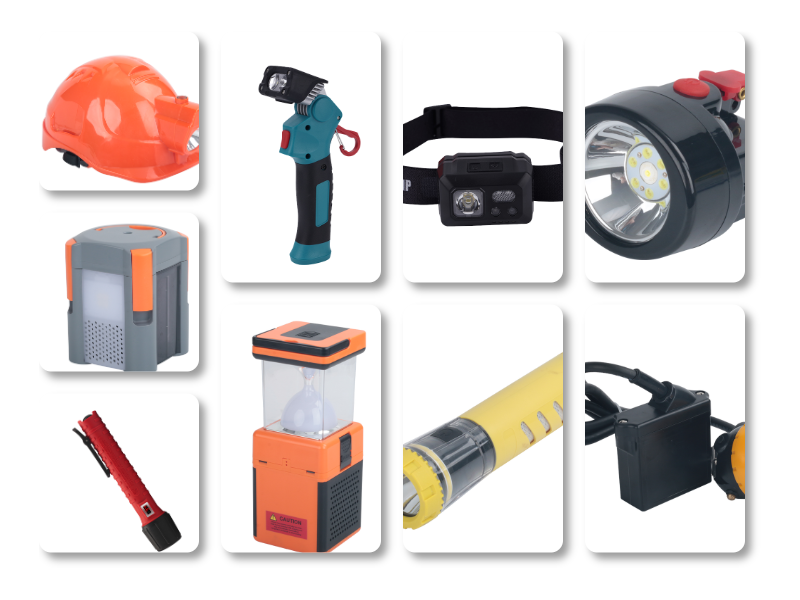
In recent years, the industrial sector in China has witnessed a remarkable transformation, with technological advancements playing a pivotal role. One such innovation that has been gaining traction is the use of tactical lighting in industrial projects. This article delves into the evolving landscape of tactical lighting in China, exploring its impact on industrial projects and the future trends that are shaping this sector.
The Evolution of Tactical Lighting in China
Tactical lighting, originally designed for military and law enforcement applications, has found a new lease of life in the industrial sector. In China, this evolution has been driven by the country's growing industrial base and the need for enhanced safety, efficiency, and productivity in factories and manufacturing plants.
The early days of tactical lighting in industrial settings were characterized by the use of simple, high-intensity spotlights. However, as the industry has matured, there has been a shift towards more sophisticated lighting solutions that offer a broader range of benefits.
Key Benefits of Tactical Lighting in Industrial Projects
One of the primary advantages of tactical lighting in industrial projects is improved safety. By providing a clear and focused illumination, it allows workers to identify potential hazards more easily, reducing the risk of accidents and injuries. Additionally, tactical lighting can be easily directed towards specific areas, making it an ideal solution for confined spaces or areas with complex machinery.
Another significant benefit is increased productivity. By ensuring that workers have adequate lighting, companies can reduce downtime and improve overall efficiency. Moreover, the use of LED technology in tactical lighting solutions has made it possible to achieve brighter and more uniform lighting, which can enhance the visibility of work areas.
Environmental Considerations
The growing focus on sustainability in the industrial sector has also contributed to the popularity of tactical lighting. LED-based solutions are energy-efficient, reducing electricity consumption and lowering carbon footprints. Furthermore, the long lifespan of LED lights means that they require less frequent replacement, thereby reducing waste and minimizing the environmental impact.
Challenges and Solutions
Despite the numerous benefits, the adoption of tactical lighting in industrial projects in China has not been without its challenges. One of the primary concerns is the initial cost of installation. However, as technology advances and the market becomes more competitive, the cost of tactical lighting solutions is expected to decrease.
Another challenge is the integration of these lighting systems into existing infrastructure. This requires careful planning and coordination to ensure that the lighting solutions are compatible with the existing electrical systems and do not disrupt production.
Future Trends
Looking ahead, several trends are expected to further drive the growth of tactical lighting in China's industrial sector. One of these trends is the increasing use of smart lighting solutions. These systems can be integrated with building management systems, allowing for automated control and optimization of lighting levels based on real-time data.
Another trend is the development of adaptive lighting solutions that adjust to the changing needs of industrial environments. This could include dynamic adjustments to lighting levels based on time of day, weather conditions, or the presence of workers in a particular area.
Conclusion
The integration of tactical lighting in industrial projects in China represents a significant step forward in terms of safety, efficiency, and sustainability. As technology continues to evolve and costs decrease, it is likely that we will see an even wider adoption of these innovative lighting solutions in the years to come.