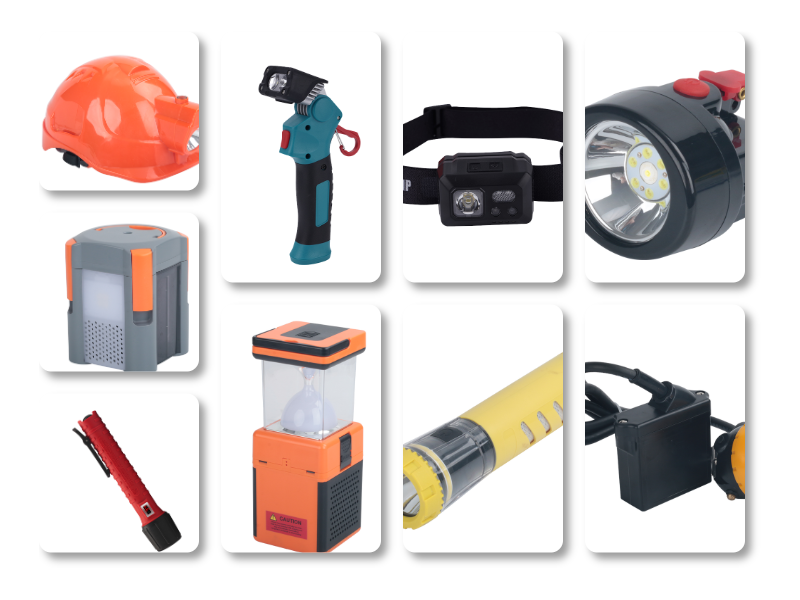
In recent years, the Chinese government has been actively promoting the development of explosion-proof technologies, particularly in the field of tactical lighting. This initiative aims to enhance the safety and efficiency of operations in hazardous environments, such as oil refineries, chemical plants, and mining sites. This article delves into the significance of explosion-proof tactical lighting, the government's role in its promotion, and the potential benefits it brings to various industries in China.
The Need for Explosion Proof Tactical Lighting
Explosion-proof tactical lighting is designed to withstand harsh conditions and potential explosive atmospheres. These lights are crucial in environments where flammable gases, vapors, or dust may be present, as they prevent the risk of ignition and subsequent explosions. In industries such as oil and gas, where such hazards are prevalent, the use of explosion-proof lighting is not just a safety measure but a necessity.
The Chinese government recognizes the importance of explosion-proof tactical lighting in ensuring the safety of workers and preventing accidents. As a result, there has been a growing emphasis on the development and adoption of these technologies.
Government Initiatives
The Chinese government has taken several steps to promote the use of explosion-proof tactical lighting. These initiatives include:
1. **Regulatory Framework**: The government has established stringent regulations and standards for the manufacturing, testing, and certification of explosion-proof equipment, including tactical lighting. This ensures that only high-quality and reliable products are used in hazardous environments.
2. **Research and Development Funding**: The government has allocated substantial funds for research and development in explosion-proof technologies. This funding supports the innovation and improvement of existing products, as well as the development of new technologies.
3. **Public Awareness Campaigns**: The government has launched public awareness campaigns to educate workers and employers about the importance of explosion-proof lighting and other safety measures. These campaigns aim to reduce accidents and improve overall safety standards in hazardous industries.
Benefits of Explosion Proof Tactical Lighting
The adoption of explosion-proof tactical lighting in China brings several benefits:
1. **Enhanced Safety**: By preventing the risk of explosions, these lights contribute significantly to the safety of workers in hazardous environments.
2. **Increased Efficiency**: Explosion-proof lighting provides a clear and reliable source of light, enabling workers to perform their tasks more efficiently.
3. **Cost Savings**: Although the initial cost of explosion-proof lighting may be higher than conventional lighting, the long-term benefits, including reduced downtime and lower insurance premiums, can lead to significant cost savings.
4. **Environmental Protection**: By reducing the risk of accidents, explosion-proof lighting helps to protect the environment from potential damage caused by explosions.
Challenges and Future Prospects
Despite the numerous benefits, there are challenges in the widespread adoption of explosion-proof tactical lighting in China. These challenges include:
1. **High Initial Costs**: The cost of explosion-proof lighting can be a barrier for some businesses, particularly small and medium-sized enterprises.
2. **Awareness and Training**: Ensuring that all workers are aware of the importance of explosion-proof lighting and trained in its use is a continuous process.
3. **Technological Advancements**: The rapid pace of technological advancements requires ongoing research and development to keep up with new standards and regulations.
Looking ahead, the future of explosion-proof tactical lighting in China appears promising. With continued government support, increased awareness, and technological advancements, the use of these lights is expected to become more prevalent across various industries. This will not only enhance safety but also contribute to the overall development and growth of the Chinese economy.